
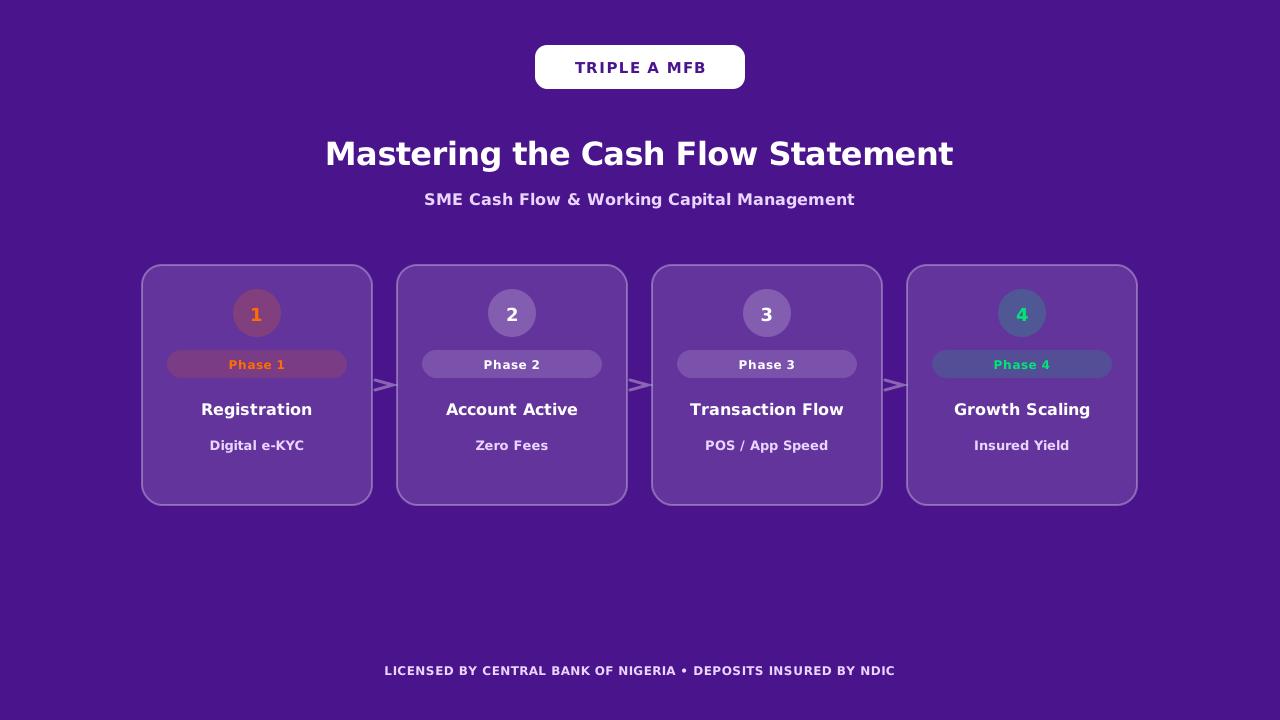
Executive Summary: Mastering the Cash Flow Statement: Preventing the Number One Killer of Nigerian Small Businesses
Effective management of sme cash flow management provides commercial traders and business operators with a measurable competitive edge. Rather than navigating unpredictable informal debt cycles, adopting verified banking workflows establishes transparent cost structures and builds institutional creditworthiness.
This operational guide analyzes the underlying mechanics, regulatory standards, and practical frameworks required to maximize financial outcomes.
Key Tactical Takeaways
- Maintaining digital sales records on mobile POS terminals establishes verifiable turnover for credit underwriting.
- Building an emergency cash buffer equal to 45 days of fixed operating overhead shields retailers from supply shocks.
- Automating daily 5% revenue sweeps into yield-bearing savings vaults compounds enterprise liquidity reserves.
- Calculating net gross margins per product SKU eliminates loss-making inventory lines from store shelves.
Core Foundation Guide
This article is part of our comprehensive curriculum on Helping Small Businesses Grow (HSBG). For the complete strategic overview, read our pillar guide: Helping Small Businesses Grow (HSBG): The Master Blueprint for Sustainable SME Expansion.
Market Dynamics & Structural Realities in Nigeria
The contemporary Nigerian economic environment presents both unprecedented opportunities and operational hurdles for micro-enterprises. Rapid digital payment adoption has lowered cash handling barriers, yet navigating inflationary cost pressures and currency fluctuations requires rigorous capital discipline.
Within the scope of sme cash flow & working capital management, businesses that transition from informal cash handling to structured banking channels secure clear institutional advantages, including verifiable turnover histories and insulated working capital buffers.
"Digital KYC and identity harmonization are the most effective levers to eliminate transaction fraud while expanding financial access to underserved communities."
— Dr. Amina Bello, Fintech Regulation & Microcredit Policy Specialist
5-Step Roadmap to Sustainable SME Scaling
Corporate Formalization
Register business name with CAC and open a dedicated corporate bank account.
Digital Bookkeeping
Track daily revenues, expenses, and gross margins using digital accounting tools.
Cash Flow Separation
Pay founder salary instead of drawing irregular cash from business float.
Credit History Building
Access small working capital loans and repay consistently to boost credit score.
Step-by-Step Execution Blueprint for Sme Cash Flow Management
To institutionalize best practices, enterprises must deploy a phased implementation sequence that minimizes operational disruption while maximizing compliance:
Phase 1: Baseline Audit
Evaluate current cash flow leakages, undocumented credit sales, and manual record inconsistencies across all daily trade channels.
Phase 2: Digital Transition
Migrate physical ledger records into verified mobile banking and POS transaction streams with full BVN/NIN validation.
Phase 3: Structured Optimization
Establish automated daily sweep accounts, negotiate reducing-balance credit terms, and conduct monthly gross margin reviews.
Practical Implementation Protocols
To successfully integrate these principles into day-to-day operations, business owners and savers should execute the following four structured steps:
- Tier 3 Digital Harmonization: Link verified BVN, NIN, and utility records to eliminate balance limitations and guarantee zero transaction friction.
- Automated Revenue Allocation: Configure automatic 10% daily turnover sweeps into an insured interest-bearing savings vault.
- Credit Registry Management: Protect your Credit Bureau rating by consistently meeting repayment obligations before scheduled due dates.
- Dedicated Advisory Engagement: Consult with licensed microfinance credit officers to structure bespoke working capital facilities tailored to your inventory turnover.
Frequently Asked Questions on Sme Cash Flow Management
Why is separating personal and business finances crucial for SME survival?
Commingling funds obscures actual profit margins and frequently leads to inadvertent spending of operating working capital, resulting in liquidity crises.
How does digital bookkeeping improve business loan eligibility?
Documented sales through digital banking apps and POS terminals provide credit officers with verifiable evidence of revenue consistency and repayment capacity.
What is the recommended size for an enterprise emergency reserve?
Retailers and commercial business owners should maintain between 30 to 60 days of fixed operating expenses in an accessible, yield-bearing savings vault.
Empower Your Business Today with Triple A MFB
Experience hassle-free banking, flexible SME loan facilities, and competitive savings yields with Triple A Microfinance Bank Limited.